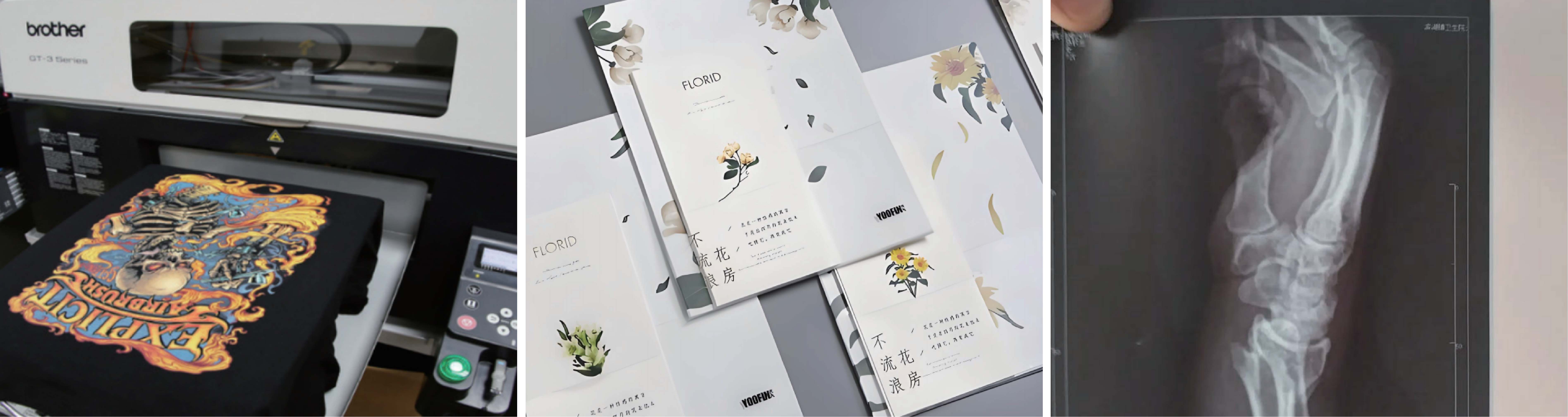


Solution for digital printing ink receiving coating
Project Introduction
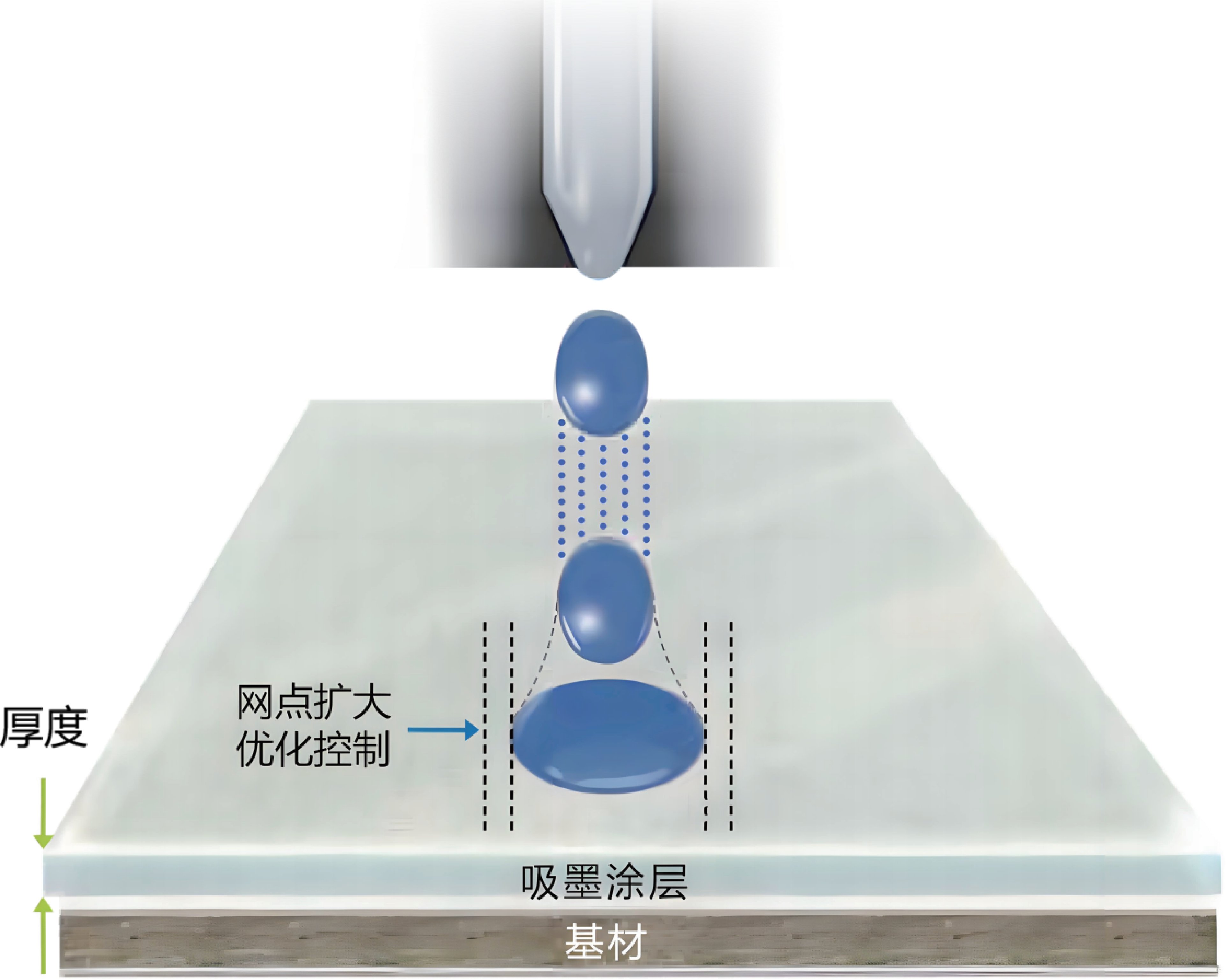
The coating of this project achieves precise control of ink droplet diffusion through a dual mechanism of nanoscale porous structure and chemical bonding mechanical anchoring, optimizing the liquid absorption rate of the ink carrier, stabilizing the pigment on the substrate surface, significantly improving printing quality and production efficiency, and adapting to water-based/weak solvent/solvent/UV ink systems, fully compatible with diverse substrate application scenarios such as fabrics, plastics, paper, and metals.
|
Technological breakthrough |
Business value |
|
|
Technical Core
Surface chemistry and interlayer interaction control technology
- Through innovative resin chemistry and dispersant technology, the interface behavior between ink coating and substrate/ink can be precisely controlled. The key lies in optimizing the ink absorption rate, controlling ink droplet diffusion, and enhancing color intensity to achieve high-resolution images while accelerating drying speed
Multi functional material integration technology
- Weather resistant material (UV resistant, water/heat resistant, suitable for outdoor scenes)
- Environmentally friendly formula (water-based technology, formaldehyde free/NMP/APE, compliant with REACH standards)
- Substrate adaptation technology (designing differentiated coatings for different substrates such as textiles, films, and paper)
Predictive Performance Modeling and Testing System
- Standard and customized testing methods
- Structure performance relationship model (predicting coating function through surface characterization)
- Rapid adaptation validation tool for formula development, shortening product development cycle
Application Field