


Full lifecycle solution for filter materials
Project Introduction
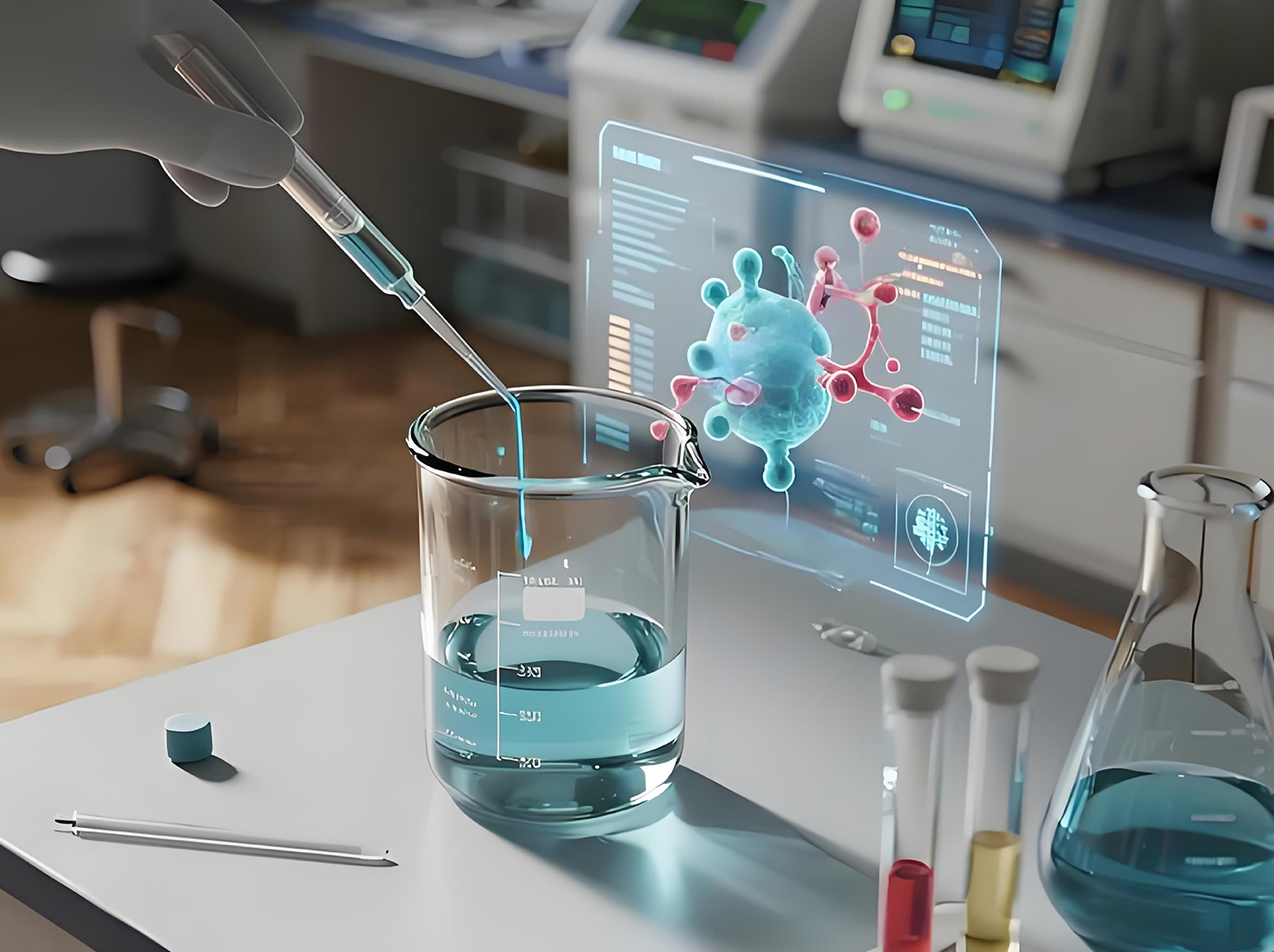
Chemical additives are the soul of glass fiber paper manufacturing, they solve the inherent problems of glass fiber paper and endow the final performance of the product. This project precisely imparts the physical and chemical properties (such as strength, hydrophobicity, temperature resistance, etc.) required for the final application of the product through dispersants, pH adjusters, and functional chemicals (acrylic adhesives, waterproofing agents, surfactants, etc.). And through high-performance substrate film-forming migration technology, the efficiency, durability, and environmental friendliness of air filtration and oil filtration are improved, covering industrial, medical, automotive, and other scenarios.
 |
 |
 |
 |
Manufacturing process of fiberglass paper
01. Raw material preparation
- Raw material ratio design
- The synergistic effect of glass microfibers and short cut filaments to optimize strength and pore structure
02. Pulping
- Chemical regulation during the pulping stage
- Synergistic optimization of dispersants, pH regulators, and defoamers
03. Forming
- Transport uniformly dispersed fiber pulp to the mesh of the paper machine
- Most of the water is filtered through the mesh under the action of gravity and vacuum suction, while the fibers are trapped on the mesh surface, forming a wet fiber felt
04. Glue application
- Glue application: a key step in endowing glass fiber paper with specific functions
- Composite application method of adhesive and functional additives
05. Drying
- The wet paper after gluing enters the oven/dryer, where chemical additives react at a specific temperature (such as resin cross-linking and curing), permanently endowing the paper with properties such as strength, flexibility, and hydrophobicity